
What Does a Closing Statement Look Like? A Buyer’s Sample


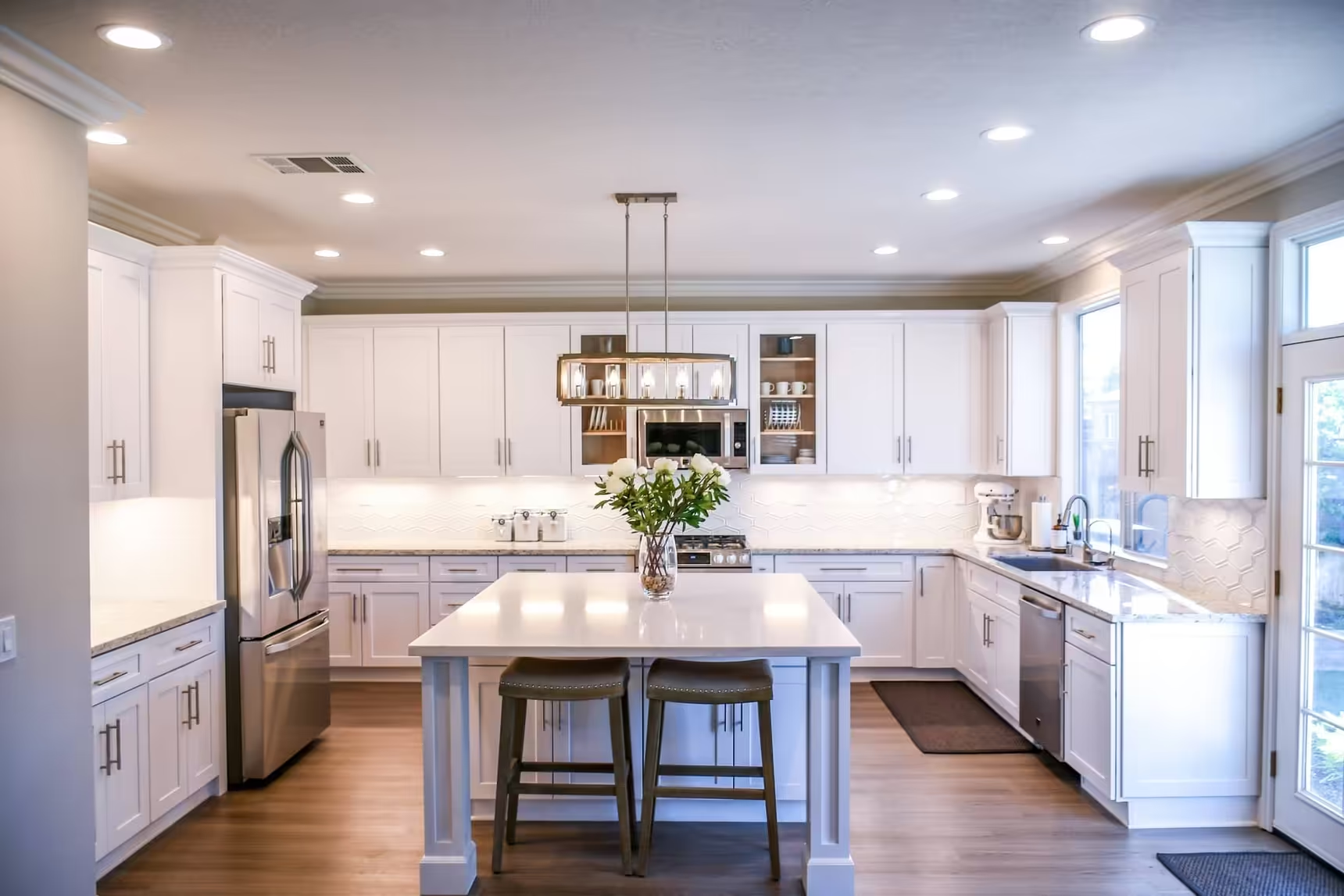
Photo from the Poteet Homes Oil Patch Plan gallery.
A buyer’s closing statement looks like a bill. One column shows what you owe. The next shows what your loan and credits cover. Look near the end for the cash you still need to bring. Say the home costs $320,000. In the sale shown here, you’d bring $33,500.
Which form are you looking at?
The title firm may call this a settlement statement. See the blank form from the American Land Title Association. On page one, look for Debit and Credit. Find the price, the sum you put down and the loan. Some forms show the seller’s side too. See the sample buyer form (PDF)
For most loans to buy a home, you get a Closing Disclosure as well. It has five pages. It gives your final loan terms and costs. The title firm’s form shows where the money goes. See a sample Closing Disclosure
A sample buyer’s closing statement
Here’s a made-up sale of a home that’s ready to move into. We’ve put the fees, taxes and other costs on one line. Your form may list each charge on its own line.
| Buyer’s side of the statement | Charges | Credits and payments |
|---|---|---|
| Purchase price of the house | $320,000 | |
| Closing costs, prepaid bills and funds due to start the escrow account | $8,500 | |
| Funds from the loan | $288,000 | |
| Earnest money paid | $5,000 | |
| Seller credit for costs | $2,000 | |
| Totals before the buyer pays the rest | $328,500 | $295,000 |
| Cash the buyer brings to closing | $33,500 | |
| Balanced totals | $328,500 | $328,500 |
The buyer has already paid the $5,000 deposit. The $33,500 due now covers the rest of the down payment and the buyer’s share of the costs.
Where to find cash to close on your mortgage documents
On your Closing Disclosure, look at the foot of page one. Cash to Close is the sum you need to bring. The line just above it, Closing Costs, shows the fees and other costs of the sale and loan.
Page two breaks down the costs. For most home sales, page three shows the change from your Loan Estimate to the final sum. Look there for your deposit and the seller’s credit. Guide to all five pages
When should you check the figures?
For most home loans, you must get your Closing Disclosure at least three business days before closing. Check it against your deposit receipt and any seller credit in your signed contract.
For a new home, pull the receipts for the lot and any upgrades, too. Did each payment count toward the price, or did it pay for a separate item? Your contract should spell that out. CFPB guide to when the form is due
What do the other closing papers look like?
The promissory note is your pledge to pay back the loan. Look near the start for the sum and the rate. The mortgage or deed of trust gives the lender a claim on the home to secure the loan. The deed transfers the home to you. The guide shows pages from a note and a mortgage. See sample mortgage closing papers (PDF)
Paying cash for the home? Ask for the buyer’s statement and the deed. You won’t get a loan disclosure in a sale with no loan.
Before you send the money
Does the sum due look wrong? Show your closing agent the line and your receipt. Ask them to check the figures. Before you send a wire, call your closing team at a number you trust to confirm where to send it. A fake email can look just like one from your closing team. CFPB closing checklist
More Blogs
